
Efficiency Improvements That Reduce Operating Costs
Industrial Insulation Services in Pittsburg for facilities experiencing heat loss, energy waste, or equipment performance issues
Uninsulated or poorly insulated piping, vessels, and equipment waste energy by radiating heat into surrounding spaces, forcing heating or cooling systems to work harder and driving up operating costs. Your facility also risks condensation-related corrosion, unsafe surface temperatures, and equipment that fails to maintain process specifications. Sandhill Energy Services installs industrial insulation designed to improve thermal efficiency and protect equipment performance across energy operations and industrial facilities in Pittsburg and the surrounding region. Crews apply insulation materials selected for the operating temperature ranges, environmental exposure, and access requirements specific to your equipment.
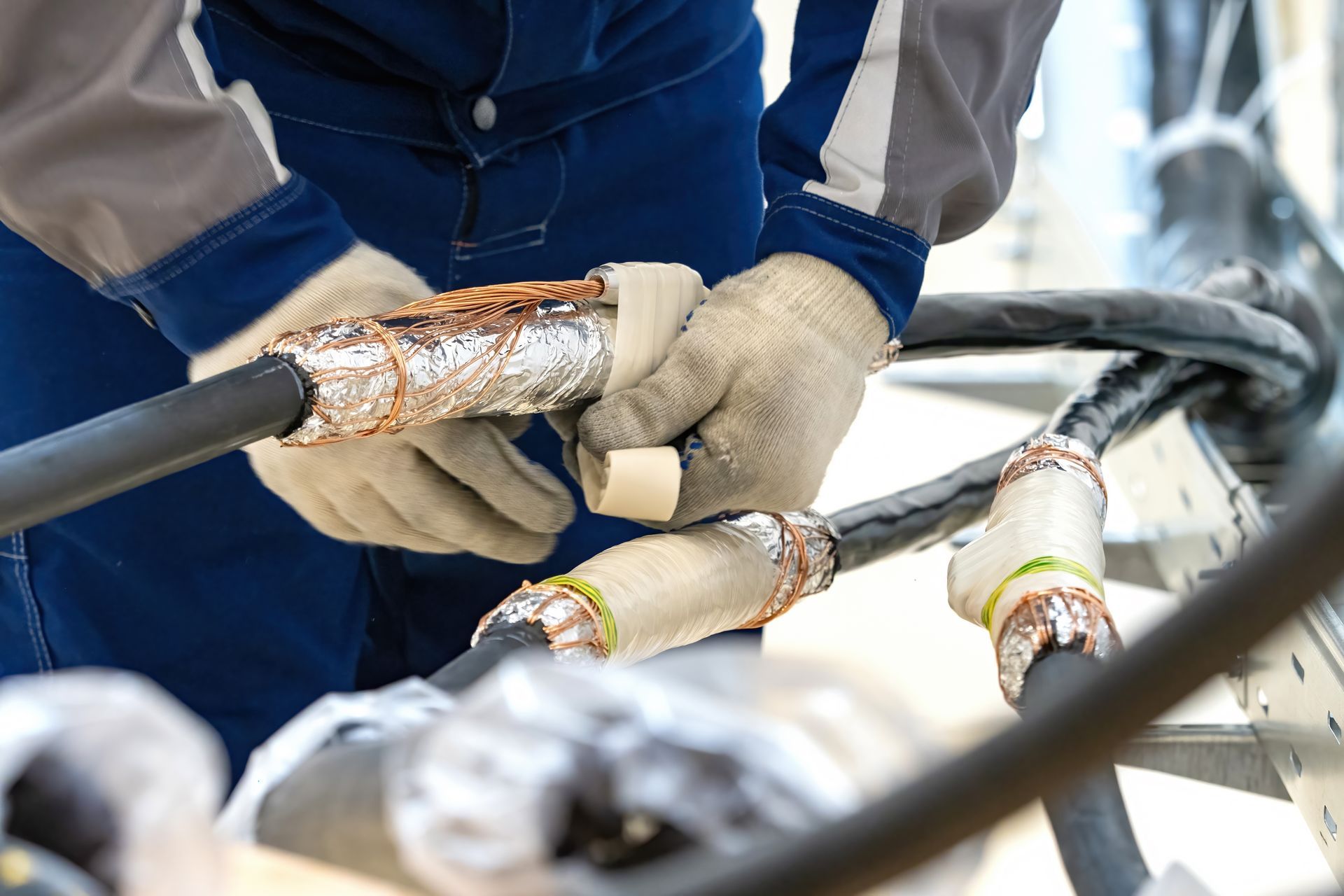
Installation addresses piping systems, storage tanks, process vessels, and ductwork where thermal control directly affects efficiency or safety. Materials are cut to fit irregular surfaces, secured with banding or adhesive systems, and covered with protective jacketing that resists weather, mechanical damage, and UV degradation. Work proceeds around operational schedules to minimize downtime while ensuring complete coverage that eliminates thermal bridges.
Request an estimate to identify insulation opportunities and quantify potential energy savings for your facility.
What Changes After Insulation Installation Completes
Proper insulation installation requires surface preparation to remove rust, oil, and debris that prevent adhesion, followed by material application in layers that eliminate gaps or compression. Joints are staggered to prevent heat transfer through seams, and protective jacketing is sealed at overlaps to block moisture intrusion. Thickness and material selection follow specifications that account for operating temperatures, ambient conditions, and required R-values or thermal conductivity targets.
Once insulation is in place, your facility operates with equipment that maintains target temperatures more consistently, reducing the energy required to sustain process conditions. Pipe surfaces that were previously too hot to touch become safe for incidental contact, and condensation that once caused rust and dripping no longer forms on cold surfaces. Heating and cooling systems cycle less frequently, and temperature-sensitive processes stay within specification ranges without constant adjustment.
Services include insulation removal and replacement for damaged or degraded materials, custom fabrication for unusual vessel shapes, and installation of removable insulation covers for valves and flanges that require periodic access. The scope adjusts based on whether the goal is energy efficiency, personnel protection, process control, or condensation prevention.
Answers to Frequent Service Questions
Insulation projects involve decisions about material selection, installation timing, and performance expectations. These answers clarify what facility managers typically ask when planning insulation improvements.
What materials are used for industrial insulation?
Material selection depends on operating temperature, environmental exposure, and budget. Common options include fiberglass for moderate temperatures, mineral wool for high-heat applications, and cellular foam for cold surfaces prone to condensation. Each material offers different thermal performance, fire resistance, and moisture handling characteristics.
How is insulation installed around active equipment?
Work is often performed during scheduled shutdowns or maintenance windows when equipment is offline. For systems that cannot be shut down, crews use staging and safety protocols to insulate sections while maintaining safe clearances from hot surfaces and rotating equipment.
What determines insulation thickness?
Thickness calculations factor in the temperature differential between the process and ambient conditions, the desired heat loss or gain rate, and economic payback targets. Thicker insulation reduces energy loss but increases material and labor costs, so recommendations balance performance against budget.
How does climate in East Texas affect insulation performance?
High humidity common around Pittsburg increases the risk of moisture infiltration, which degrades insulation performance and promotes corrosion. Vapor barriers and sealed jacketing are critical for maintaining long-term effectiveness in humid environments.
What maintenance does insulation require?
Periodic inspections identify damaged jacketing, wet insulation, or areas where material has compressed or pulled away from surfaces. Damaged sections are repaired or replaced to restore thermal performance and prevent accelerated deterioration.
Sandhill Energy Services applies industrial insulation that improves equipment efficiency and protects against heat loss, condensation, and energy waste. Contact the team to evaluate your facility's insulation needs and receive a detailed estimate based on equipment operating conditions and performance goals.