Surfaces Protected Against Corrosion and Wear
Industrial Painting & Coating Services in Pittsburg for equipment and structures exposed to weather, chemicals, and continuous operation
Steel structures and equipment surfaces exposed to humidity, temperature swings, and industrial environments corrode rapidly without proper protective coatings. Surface degradation leads to rust expansion that weakens structural integrity, creates maintenance headaches, and shortens equipment life. Sandhill Energy Services applies industrial painting and coating systems throughout Pittsburg, Longview, Carthage, Lufkin, Mount Pleasant, and Midland, protecting surfaces with finishes designed to withstand the specific environmental and operational stresses your facility faces. Coating selection and surface preparation follow standards that determine whether the finish lasts years or fails within months.
Work involves surface preparation using abrasive blasting, grinding, or chemical cleaning to remove rust, scale, and contaminants that prevent coating adhesion. Primers are applied to bare metal to inhibit corrosion, followed by topcoats selected for the exposure environment—whether that means UV resistance for outdoor structures, chemical resistance for process equipment, or high-temperature tolerance for surfaces near heat sources. Application methods include spray systems for large areas, brush work for detail sections, and roller application for certain coating types.
Schedule a consultation to assess surface conditions and discuss coating options suited to your operational environment.
Why Proper Surface Preparation Works for Long-Lasting Finishes
Coating performance depends on surface preparation quality, which removes contaminants and creates a profile that promotes adhesion. Abrasive blasting achieves cleanliness standards defined by industry specifications, while profile depth is verified using comparators to confirm it matches coating manufacturer requirements. Primers and topcoats are applied within specified temperature and humidity windows, with mil thickness measured using gauges to verify coverage meets engineered specifications.
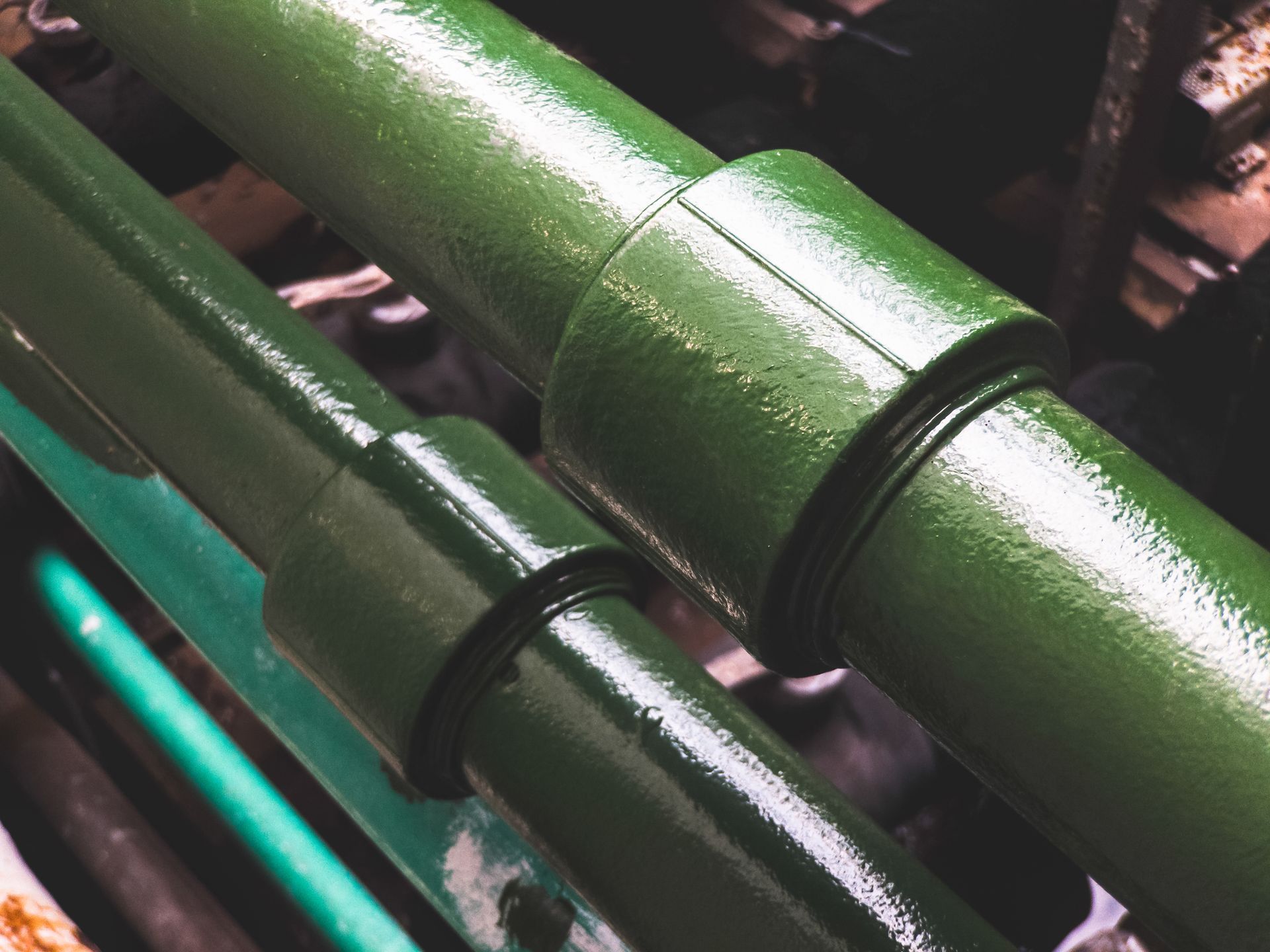
After coating application completes, your equipment and structures display uniform finishes free of runs, sags, or thin spots that expose underlying metal. Surfaces resist rust formation even when exposed to moisture, and coatings flex with thermal expansion cycles without cracking or peeling. The finish maintains its appearance and protective function through seasonal weather changes, reducing the frequency of touch-up work and extending the interval before full recoating becomes necessary.
Services extend to specialty coatings for specific challenges: epoxy systems for chemical splash zones, high-build coatings for rapid corrosion protection, and fire-resistant intumescent coatings for structural steel. The approach adjusts based on whether the priority is corrosion resistance, aesthetic appearance, safety compliance, or rapid return to service.
Questions About Industrial Coating Projects
Protective coating projects raise practical concerns about surface preparation requirements, environmental conditions during application, and long-term finish performance. These answers address what facility operators typically ask before starting painting work.
Why does surface preparation matter so much?
Coatings adhere to clean, profiled surfaces but fail quickly when applied over rust, oil, or smooth metal. Proper preparation removes contaminants and creates microscopic peaks that increase surface area for bonding. Skipping or rushing this step is the most common cause of premature coating failure.
How do weather conditions affect coating application?
Temperature and humidity during application and curing directly impact coating performance. Cold temperatures slow curing and can cause condensation that prevents adhesion, while high humidity prolongs dry times and increases the risk of moisture contamination. Work is scheduled during weather windows that meet coating manufacturer specifications.
What coating types suit different industrial environments?
Epoxy coatings resist chemicals and abrasion, polyurethane topcoats provide UV resistance and color retention, and zinc-rich primers offer galvanic corrosion protection for steel. Selection depends on the specific exposure: outdoor weathering, chemical contact, high temperatures, or mechanical wear.
How does humidity in the Pittsburg region affect coating projects?
High humidity common in East Texas requires careful monitoring of surface temperatures and dew point to prevent moisture condensation on prepared steel before coating application. Dehumidification equipment or timing work during lower-humidity periods helps ensure proper adhesion and curing.
What determines how long a coating lasts?
Coating longevity depends on surface preparation quality, proper application thickness, environmental exposure severity, and ongoing maintenance. A well-applied coating system in a moderate environment can last a decade or more, while harsh exposures may require recoating every few years despite proper installation.
Experienced crews at Sandhill Energy Services apply protective coatings that extend equipment life and maintain structural integrity across industrial facilities. Arrange a site visit to review surfaces requiring protection and obtain an estimate detailing preparation methods, coating specifications, and application timelines for your project.