Infrastructure That Supports Uninterrupted Industrial Operations
Utility Construction in Pittsburg for industrial sites requiring dependable power, water, and process connections
Power outages, inadequate water supply, or failed process connections shut down production and create costly delays. Sandhill Energy Services provides utility construction that establishes reliable infrastructure for industrial and energy operations across Pittsburg and the surrounding region. Your site receives utility systems engineered for the electrical loads, flow rates, and pressure requirements your operations demand, installed by crews experienced in industrial environments where safety protocols and minimal downtime are non-negotiable.
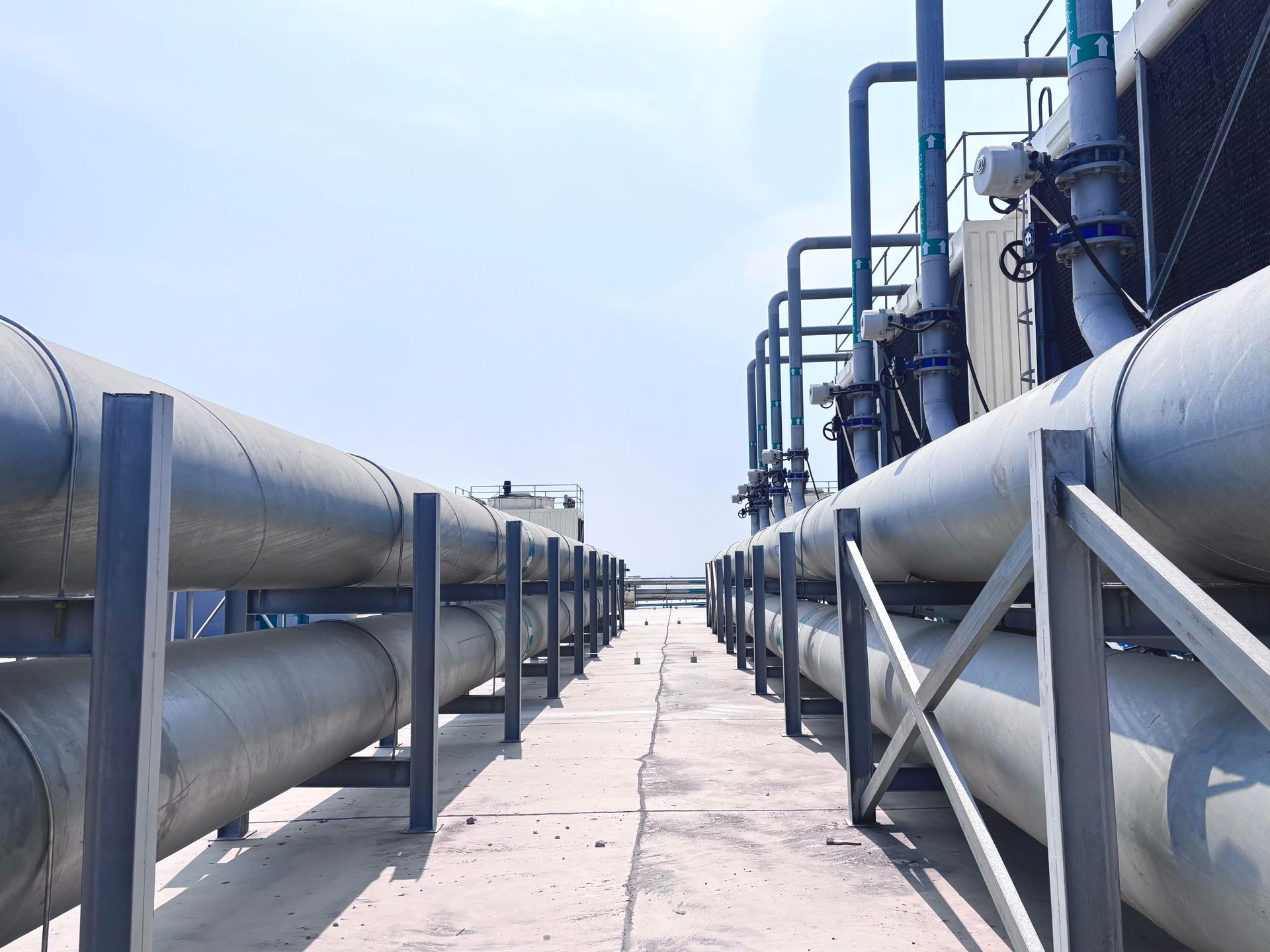
Utility construction includes trenching and conduit installation, transformer pad construction, water line routing, natural gas tie-ins, and process piping that connects equipment to facility utilities. Work proceeds according to engineered drawings and utility provider specifications, with inspections conducted at defined intervals to verify proper depth, slope, and connection integrity before backfilling or commissioning.
Arrange a site consultation to review utility capacity requirements and receive a project estimate.
How Utility Construction Addresses Infrastructure Demands
Construction begins with locating existing utilities, marking clearance zones, and excavating trenches to specified depths that meet frost line and load-bearing requirements. Conduit and piping are positioned with proper slope for drainage, secured to prevent shifting, and backfilled using compaction methods that prevent settling. Electrical connections are tested for continuity and grounding, while water and gas lines undergo pressure testing before final approval.
Once work is complete, your facility operates with utilities that deliver consistent service under full production loads without voltage sags, pressure drops, or interruptions caused by undersized infrastructure. Equipment starts and runs without tripping breakers, process water flows at the required rate, and backup connections remain available for emergency scenarios. You also receive as-built drawings showing actual installation routes and depths, simplifying future maintenance or expansion projects.
Projects can include coordination with local utility providers for permanent service upgrades, installation of metering equipment, and construction of secondary containment for certain process lines. The scope adjusts based on facility size, operational requirements, and regulatory standards applicable to your industry.
Common Questions About This Service
Utility construction for industrial sites involves coordination with multiple parties and adherence to standards that affect long-term reliability. These answers clarify what facility managers typically want to know before beginning utility work.
What coordination is required with utility providers?
Projects require advance notice to utility companies for service upgrades, approval of connection points, and scheduling of final tie-in work. Coordination timelines vary, with electrical service upgrades often requiring longer lead times than water or gas connections.
How is trenching performed around active operations?
Excavation follows safety protocols that include shoring for deep trenches, barricades around open excavations, and sequenced backfilling that maintains site access. Work zones are clearly marked, and trenches remain open only as long as necessary to complete installation and inspection.
What testing occurs before utilities go live?
Electrical systems undergo continuity testing, insulation resistance checks, and grounding verification. Water and gas lines are pressure-tested to specified levels and held for a defined period to confirm no leaks exist before backfilling and commissioning.
How does soil type in East Texas affect utility installation?
Clay-heavy soils common around Pittsburg require specific compaction methods to prevent settling that could damage buried utilities. Bedding material and backfill procedures are adjusted based on soil conditions encountered during excavation.
What documentation is provided after construction?
Final records include as-built drawings showing installed utility routes and depths, material certifications for piping and conduit, inspection reports, and test results. These documents support facility maintenance and simplify future modifications or expansions.
Sandhill Energy Services manages utility construction projects that connect industrial facilities to essential infrastructure, maintaining safety and quality standards throughout every phase. Contact the company to discuss your utility requirements and obtain a detailed project estimate based on your site conditions and operational needs.