
Infrastructure Built to Support Energy Delivery
Pipeline Construction in Pittsburg for energy projects requiring durable, compliant infrastructure
Sandhill Energy Services handles pipeline construction for energy infrastructure projects throughout Pittsburg and the surrounding East Texas region, where subsurface conditions and seasonal ground movement create specific challenges for installation integrity. Crews prepare for variations in soil composition—from the sandy loam common in Gregg County to heavier clay formations farther south—that affect trench stability and bedding requirements. Energy operators working on gathering systems, transmission lines, and interconnect projects rely on construction teams that recognize when geological conditions require adjusted installation protocols.
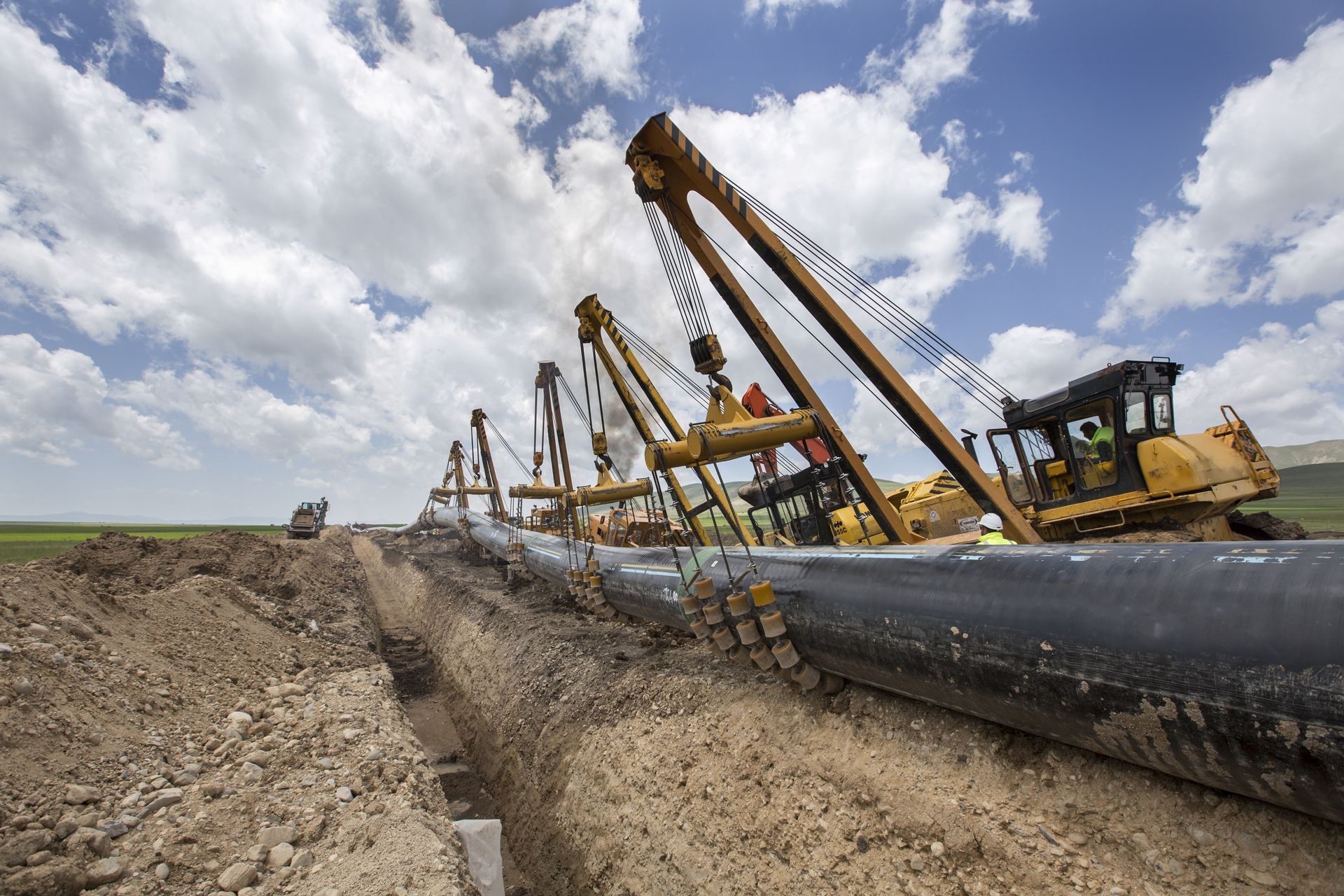
Pipeline construction involves excavation to specified depth and grade, pipe placement with precise alignment, joint welding or fusion depending on material specification, backfilling with appropriate bedding material, hydrostatic pressure testing to verify weld integrity, and final restoration of surface conditions. Projects require coordination with regulatory compliance standards including depth-of-cover requirements, cathodic protection installation, and documentation of all pressure tests and inspection records.
Schedule a project evaluation to review pipeline specifications, right-of-way conditions, and timeline requirements for your energy infrastructure needs.
What Proper Pipeline Installation Requires
Construction begins with surveying and staking to establish centerline alignment and verify clearances from existing utilities, followed by controlled excavation that maintains trench wall stability and prevents collapse in variable soil conditions. Pipe sections are lowered into position using equipment calibrated to avoid coating damage, then aligned to design grade before welding crews complete circumferential joints that undergo visual inspection and non-destructive testing to confirm weld quality meets code requirements.
Once construction is complete, you notice a pipeline system that maintains operating pressure without leaks, passes hydrostatic testing at specified multiples of maximum allowable operating pressure, and includes documented weld maps and test records required for regulatory compliance. The installation remains stable through seasonal soil movement, with proper depth of cover preventing external load damage and cathodic protection systems preventing corrosion over the pipeline's service life.
Sandhill Energy Services coordinates all phases from pre-construction planning through final inspection and documentation, ensuring projects meet industry standards for safety and quality. Experienced crews adjust installation methods based on site-specific conditions, recognizing when soil conditions require engineered bedding, when rock excavation demands controlled blasting or mechanical breaking, and when environmental controls are necessary to protect waterways or sensitive areas.
What Project Managers Usually Ask
Pipeline projects involve multiple phases and coordination points that affect scheduling and final system performance. Understanding these elements helps energy operators plan construction windows and prepare for commissioning requirements.
What happens during pre-construction planning for a pipeline project?
Crews review design specifications, survey the right-of-way, identify existing utilities through one-call notification systems, secure necessary permits, and establish access routes for equipment mobilization, ensuring all regulatory and environmental requirements are addressed before excavation begins.
How does soil composition in Pittsburg affect installation methods?
Sandy soils common in parts of East Texas drain quickly but may require trench shoring to prevent wall collapse, while clay formations hold trench shape better but create challenges during wet weather when material becomes heavy and difficult to excavate, requiring crews to adjust equipment and bedding techniques based on encountered conditions.
What testing verifies pipeline integrity after construction?
Hydrostatic pressure testing fills the completed section with water and pressurizes it to a specified multiple of operating pressure—typically 1.5 times for natural gas pipelines—holding that pressure for a defined period while monitoring for any pressure drop that would indicate a leak or weld defect requiring repair.
When should pipeline construction be scheduled to avoid weather delays?
Fall and early winter typically provide the most stable ground conditions in East Texas, with lower rainfall reducing trench water accumulation and firmer soils allowing easier equipment access compared to late winter and spring when increased precipitation can flood excavations and delay backfilling operations.
What documentation does a completed pipeline project include?
Final deliverables consist of as-built drawings showing actual installed alignment and depth, weld maps identifying each joint and welder, hydrostatic test records with pressure charts, material certifications for pipe and components, and inspection reports documenting compliance with applicable codes and project specifications.
Sandhill Energy Services coordinates pipeline construction projects from initial survey through final testing and documentation, with crews prepared to adapt installation methods to site conditions throughout the East Texas service area. Contact the team at (903) 285-8154 to discuss your project scope, timeline, and regulatory requirements.